Why Is My Septic Alarm Going Off?
By Minnesota Sewer Pros · Prepared for Owner review
24/7 Emergency Septic Service: 612-816-8013
A septic alarm is a warning to reduce water use and investigate—not a diagnosis that every tank is full.
Your septic alarm may be going off because wastewater has reached a high-water float, the pump has lost power, a float or control has failed, or the system is receiving more water than it can move. It does not automatically mean your septic tank needs pumping. Reduce water use now, note which light or message is showing, and contact a septic professional. If sewage is backing up or surfacing, stop using the system and request urgent help.
First, identify what the alarm monitors
A conventional septic tank separates solids from liquid before effluent reaches a soil treatment area. A pump tank is a separate chamber, or compartment, that sends effluent uphill or in measured doses. Mound systems commonly depend on a pump. A holding tank stores wastewater for removal and has no intended discharge to a drainfield. A lift station moves sewage or effluent to another elevation. These components can have different alarms, so the label on the panel and your system drawing matter more than the sound alone.
What you can do safely right now
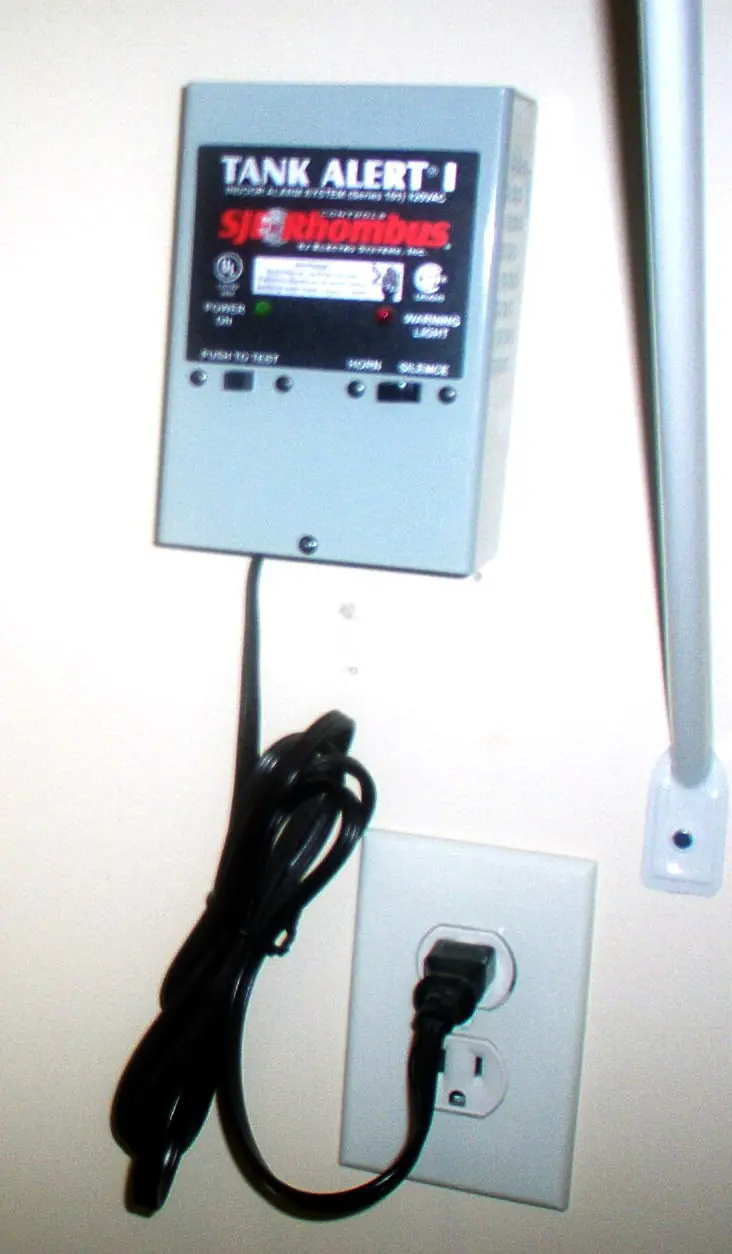
Postpone laundry, baths and dishwasher cycles, and ask everyone in the household to minimize water use. From a dry, safe location, read the exterior panel label and photograph the visible indicator. If the manufacturer's instructions identify a silence button, silencing the buzzer may be appropriate while you arrange service; it does not correct the condition. Do not disconnect the entire panel to make the noise stop, bypass a float, open an energized enclosure or repeatedly reset a tripping breaker. Never remove a tank cover or enter a chamber.
Common causes a technician will distinguish
A power outage can stop pumping even when the alarm has backup power or a separate circuit. A stuck float may prevent a pump from starting, while a damaged alarm float may signal incorrectly. A blocked effluent filter, obstructed discharge line or failing pump can let water rise. Heavy laundry use, leaking toilets, rainwater entering defective covers and saturated soil can also contribute. These possibilities need different repairs; buying a pump or ordering a routine pump-out without diagnosis may not solve the problem.
Is it different after an outage or heavy rain?
After power returns, some systems need time to move stored wastewater, but you should not assume an active alarm is harmless. Continue conserving water and ask the service provider what is appropriate for your particular controls. During flooding, do not approach submerged electrical equipment. MPCA's flood guidance calls for stopping system use when it is covered by water and having electrical components checked before restarting. A saturated drainfield is not made functional merely by replacing a pump.
What information helps when you call?
Tell Minnesota Sewer Pros when the alarm began, whether power was interrupted, whether any drains are backing up, and whether the yard has standing water or sewage. Describe the panel message without opening its enclosure. A permit drawing, pump model, maintenance report and recent water-use changes can narrow the investigation. For a home near Mayer or Waconia, rural location and safe truck access also help us discuss the next step. The office must confirm current availability and access before a visit is arranged.
Does the three-year assessment rule settle the issue?
No. Minnesota Rule 7080.2450 requires periodic assessment at least every three years, including tank-condition checks and measuring or removing accumulated solids. That maintenance obligation is separate from responding to a current alarm. Your management plan, operating permit or local ordinance may require additional attention. A recent pump-out does not rule out a failed float, blocked line or electrical fault, and an alarm should not be ignored because maintenance is on the calendar.
When should I request emergency service?
Sewage in the home, surfacing wastewater, a rising high-water condition or a persistent alarm with no pumping warrants prompt professional assessment. Keep people and pets away from contaminated areas and unsecured openings. Minnesota Sewer Pros offers 24/7 Emergency Septic Service at 612-816-8013. Explain the symptoms when you call so the response can be matched to the problem rather than assuming that every alarm needs the same service.