What Happens When a Septic Pump Fails?
By Minnesota Sewer Pros · Prepared for Owner review
24/7 Emergency Septic Service: 612-816-8013
When a pump stops moving wastewater, the remaining storage is limited. A float or power problem can look like pump failure.
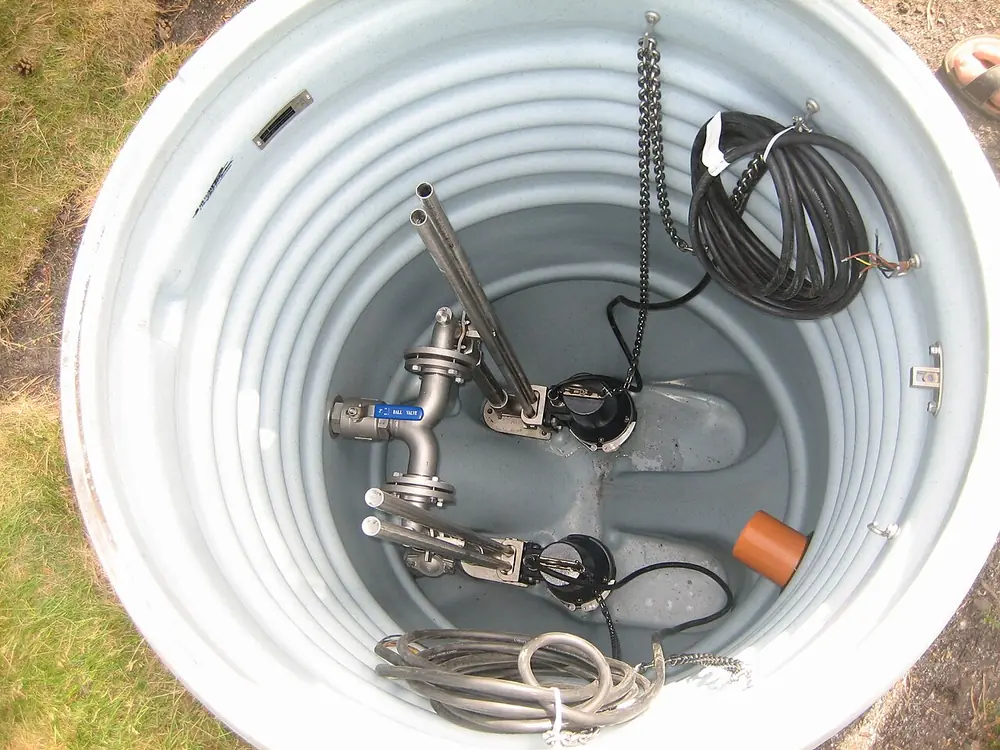
When a septic pump fails, wastewater can collect in the pump chamber instead of reaching its next treatment stage. A high-water alarm may sound, and continued water use can eventually cause a backup or overflow. Reduce water use and arrange professional diagnosis. The motor may have failed, but a float switch, electrical supply, control panel or blocked discharge can produce similar symptoms. A pump-out may temporarily reduce the level without repairing the underlying fault.
Which pump are we talking about?
An effluent pump moves liquid that has already passed through a septic tank, often to an elevated mound or another soil treatment component. A sewage ejector or grinder may handle a different waste stream, and a lift station is the chamber-and-control arrangement that raises wastewater to another elevation. A household sump pump handles groundwater and is not an interchangeable substitute. Correct pump selection depends on the approved design, wastewater characteristics, flow and required lift, not simply fitting a pump into the opening.
What happens before a backup?
Wastewater entering the chamber raises its level. In many systems an alarm float warns before wastewater reaches the inlet, but the available reserve depends on the design and current level. There is no universal number of safe hours after an alarm. A guest-filled home, leaking toilet or washing machine can use the remaining storage quickly. Silence the audible warning only as permitted by the manufacturer's instructions, keep the visible warning in mind, and do not treat a quiet buzzer as a repair.
Checks that distinguish a bad motor from another fault
A qualified technician may evaluate the power supply, float operation, control signals, pump operation and discharge path. A licensed electrician may be needed for electrical defects. A stuck float can leave a sound pump idle; a blocked pipe can prevent a running pump from moving enough water. Repeated breaker trips can signal an unsafe electrical condition. Do not open live control boxes, reach into a chamber, pull cables or force a pump to run continuously yourself.
Why an exact replacement matters
A replacement must be compatible with the system's operating requirements and controls. A pump that moves the wrong volume or cannot overcome the required pressure can cause repeated trouble even if it is new. Timed dosing and mound distribution may require attention to settings and discharge behavior as well as the motor. Ask how the proposed equipment matches the design and whether the floats, check valve, wiring and accessible piping need work. A larger motor is not automatically an improvement.
When pumping may be part of the visit
Lowering the chamber may be needed for safe access or to manage an urgent high-water condition. Accumulated sludge can also need removal. Minnesota Rule 7080.2450 includes pump-tank maintenance and requires sludge removal when it is within one inch of the pump intake. Only qualified personnel should make those measurements. Pumping is maintenance or emergency management, while replacement and electrical correction are separate work; request a clear scope rather than assuming one includes the others.
Can winter or rain look like pump failure?
Yes. A frozen discharge pipe can restrict flow even when the pump runs, and flooded or saturated soil can prevent normal treatment downstream. A service history showing a recently replaced pump does not rule those out. Minnesota properties with seasonal use can have additional freeze exposure. Report weather, power interruptions and whether the pump seems to run, without removing covers or approaching unsafe equipment. Testing the whole path can prevent unnecessary replacement.
Arrange safe follow-up
For pump and lift-station help in the western Twin Cities metro and surrounding service communities, contact Minnesota Sewer Pros at 612-816-8013. If there is a backup or persistent alarm, request 24/7 Emergency Septic Service and minimize water use while awaiting advice. After the repair, retain the model information and service findings, and ask how operation was verified. No specific pump lifespan, repair price or arrival time can be promised without evaluating the situation.