How Often Should I Pump My Septic Tank in Minnesota?
By Minnesota Sewer Pros · Prepared for Owner review
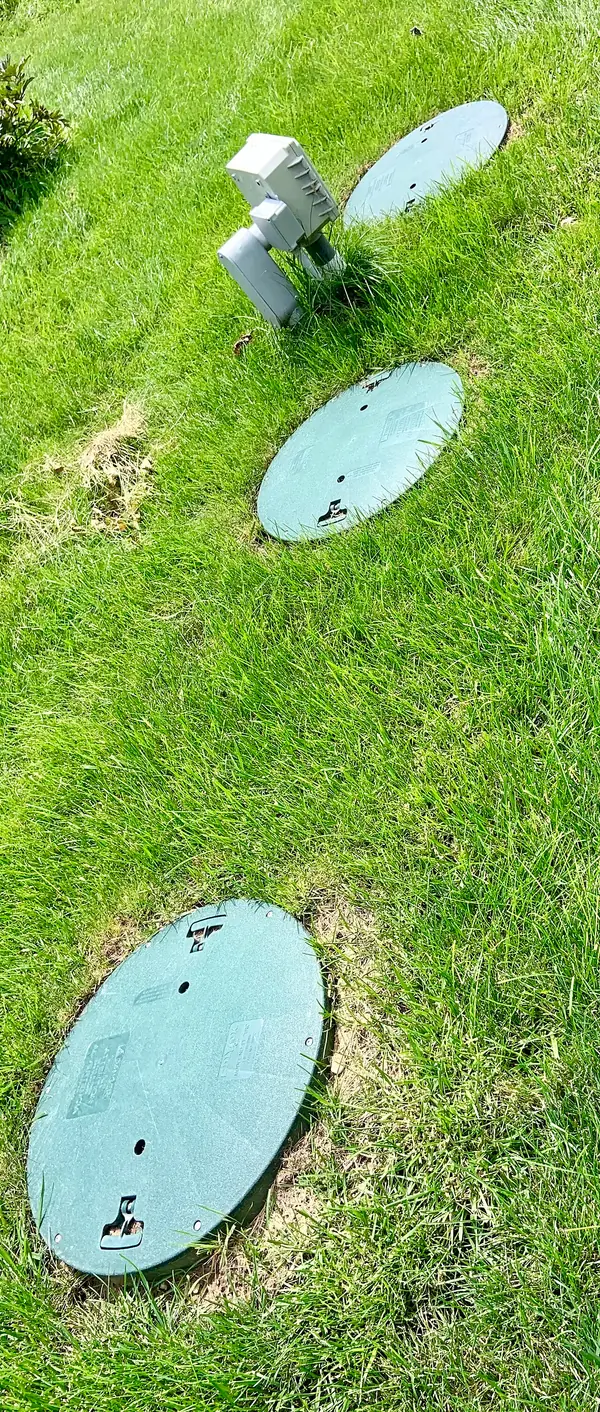
Separate the required periodic assessment from the actual need to remove solids. Your system's measurements and management plan matter.
Pump your Minnesota septic tank when accumulated sludge and scum reach the applicable removal limits, or sooner if your management plan or local requirements call for it. Minnesota Rule 7080.2450 requires assessment at least every three years; it does not say every septic tank must automatically be pumped on one universal three-year schedule. A qualified maintainer should use tank-condition observations, solids measurements or removal, household use and system instructions to recommend your next service.
What the three-year rule actually requires
The rule requires regular assessment, no less frequently than every three years, for evidence of specified tank and riser leaks and for measuring or removing accumulated floating material and sludge. MPCA explains that local ordinances may be stricter or have additional requirements. An operating permit or management plan can require more frequent service or other checks, particularly for more complex treatment systems. Do not replace those instructions with a generic national interval or an online calendar reminder.
When does solids accumulation require removal?
Minnesota Rule 7080.2450, subpart 3, provides specific limits: pumping is required when the top of sludge is less than 12 inches from the bottom of the outlet baffle or transfer hole, or the bottom of scum is less than three inches above it. Total sludge and scum volume must not be greater than 25 percent of liquid capacity. These are professional measurement criteria, not instructions to open a tank. Different compartments and pump tanks also need appropriate attention.
Why two homes with equal tanks need different plans
Occupancy, time spent at the property, tank capacity and solids loading change how quickly material accumulates. A garbage disposal can add food solids, while seasonal use changes both loading and winter considerations. An increase in household members or a change from occasional to year-round use can make the previous interval unsuitable. Good drains do not prove low solids; waste can be moving toward the drainfield without an obvious indoor symptom. Keep measured findings rather than relying only on the last invoice date.
A tank full of liquid is not automatically overdue
A functioning septic tank normally returns to its operating liquid level after pumping. That liquid level is different from having excessive sludge or scum. An unusually high level can indicate an outlet, pump or soil-treatment problem, while a low level can raise questions about leaks or operating conditions. Neither is safely diagnosed by a homeowner lifting a lid. Alarms, slow drains and wet spots warrant assessment now even if the next scheduled maintenance date is far away.
What should a maintenance record tell me?
Ask for the service date, tanks or compartments addressed, observations of accessible components and any recommended follow-up. When solids are measured, keep those results with your management plan. Confirm whether a filter or pump chamber needs separate service. A tank-maintenance report can provide important evidence, but MPCA warns that its tank-maintenance form is not a complete SSTS compliance inspection report. Save both maintenance and formal inspection documents without treating them as interchangeable.
How do I plan the next visit?
Review the maintainer's recommendation alongside your local authority's requirements and your system's instructions. If the home changes hands or occupancy rises, revisit the plan rather than copying the previous owner's habits. Arrange access while maintaining secure covers and keeping vehicles off the soil treatment area. Around Waconia and rural Carver County, known tank location and safe seasonal access help planning, but geography alone does not determine a pumping interval.
What if my last service date is unknown?
Ask Minnesota Sewer Pros about a maintenance assessment instead of inventing a date or waiting for symptoms. Call 612-816-8013 or request service through the contact page. We can discuss the records and system details needed to identify appropriate work. If an alarm or sewage backup is already occurring, report that as an active problem. A future routine pumping appointment should not be used to postpone professional advice about a current warning.