What Is the Difference Between a Septic Inspection and Septic Pumping?
By Minnesota Sewer Pros · Prepared for Owner review
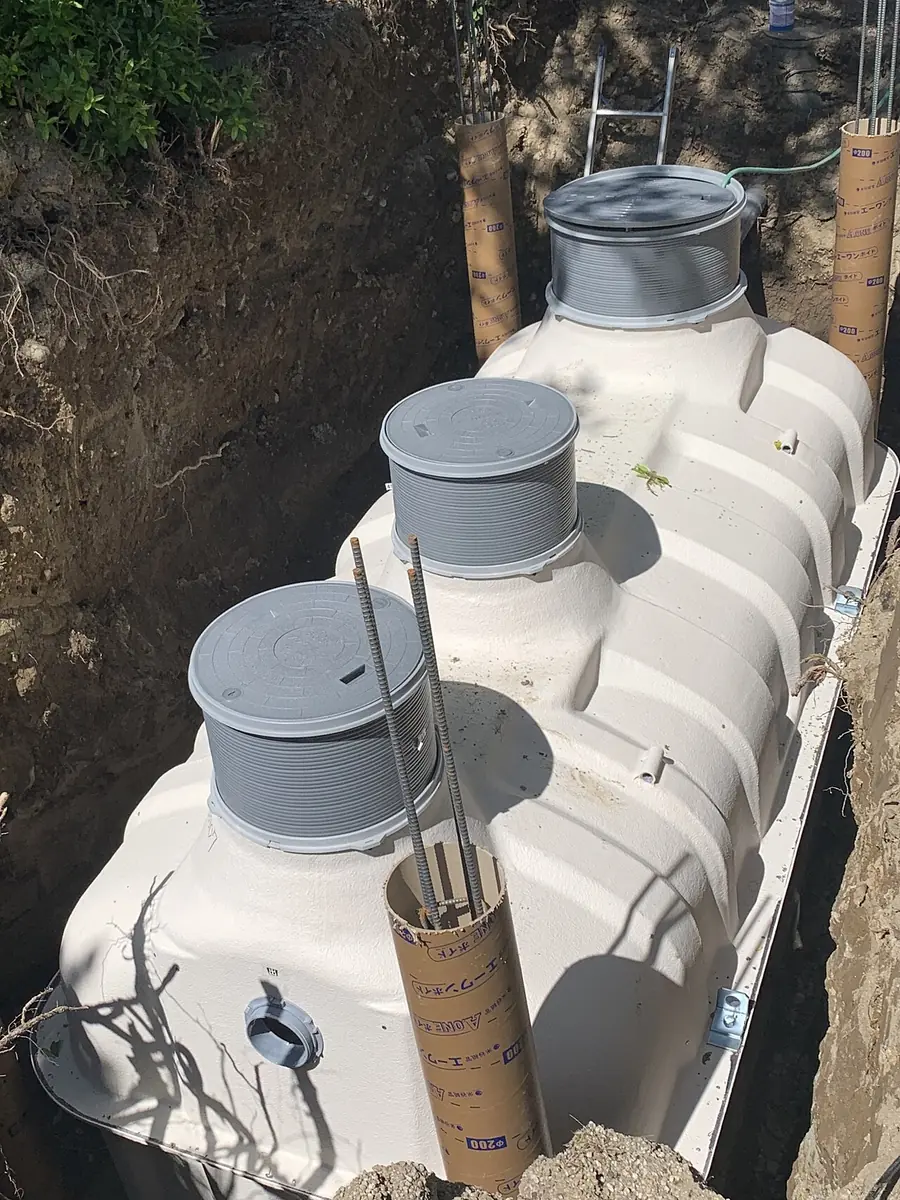
A pumping receipt is not automatically a compliance certificate. Clarify what kind of inspection your property actually needs.
Septic pumping removes accumulated solids and liquid from tanks; a septic inspection evaluates specified conditions and produces findings for a defined purpose. In Minnesota, a formal SSTS compliance inspection is different from observations made during maintenance. A pumping receipt is not automatically a certificate of compliance for the whole system. Before booking, explain whether you need routine maintenance, diagnosis of a problem or an inspection required for a particular permit or transaction.
What pumping is intended to accomplish
Pumping removes material that would otherwise reduce settling capacity and threaten downstream components. The maintainer may observe accessible baffles, covers, filters and tank conditions as part of the agreed scope. MPCA says septic tank solids must be removed through the maintenance opening, not a small inspection pipe, and baffles should be inspected during pumping. Ask which tanks and compartments are included and what documentation you will receive. Additional work is not automatically included simply because a truck is on site.
An inspection can mean more than one service
Homeowners sometimes use inspection to mean a quick condition check during pumping, a camera examination of a pipe, an operational diagnostic visit or a formal compliance inspection. Those are not interchangeable. A camera can reveal a pipe obstruction without establishing drainfield compliance, and a pump test does not by itself assess all regulatory criteria. Tell the office who requested the inspection and what document or decision it must support so the proposed service matches the need.
What Minnesota compliance inspections address
MPCA describes inspections for new or replacement systems as checking design and installation against code requirements and public-health and groundwater protection. Existing-system compliance inspections address whether the system functions to protect public health and groundwater under the applicable criteria. MPCA specifically notes that existing-system inspections do not check every issue, including system size, horizontal setbacks, estimated longevity, current usage or past abuse. A compliance result should not be expanded into a guarantee about everything a buyer might want to know.
Who can perform a formal compliance inspection?
MPCA states that individuals conducting compliance inspections must be certified and either operate under an SSTS inspection business license or act as a qualified local-government employee. This is a statement of the state's qualification requirements, not a claim that every pumping technician holds every inspection credential. Ask the provider to confirm the appropriate scope and qualifications. This article does not invent a certification for an individual or promise that a specific inspection is required at every property transfer.
Does pumping have to happen first?
Some inspection tasks require tank access or an emptied tank, and the inspection professional should coordinate timing and required evidence. Do not arrange an unsupervised pump-out on the assumption that an empty tank guarantees all inspection requirements have been met. Obtain the requested records and instructions before the visit. MPCA explains that a tank-maintenance or tank-integrity form can support tank evidence when properly completed, but it is not a complete SSTS inspection report.
Which requirements apply when selling or improving a home?
Requirements can depend on the local ordinance, permit conditions and the transaction or project. Contact the county, city or township responsible for the property and ask what current document is needed, who can complete it and what deadlines apply. Homes in neighboring service communities can have different administrative requirements. Keep the actual permit and inspection report rather than relying on a verbal assurance that the system was recently pumped.
Book the service that answers your question
Minnesota Sewer Pros provides Complete Septic Service and can discuss the work you need at 612-816-8013. Explain whether you are maintaining the tank, responding to an alarm or seeking formal inspection information, and provide any request from the local authority. Use the existing inspection service page for the inspection inquiry and the residential page for maintenance. A quote should distinguish pumping, diagnostic work and any formal inspection rather than presenting them as one undefined service.