How Often Does a Holding Tank Need Pumping?
By Minnesota Sewer Pros · Prepared for Owner review
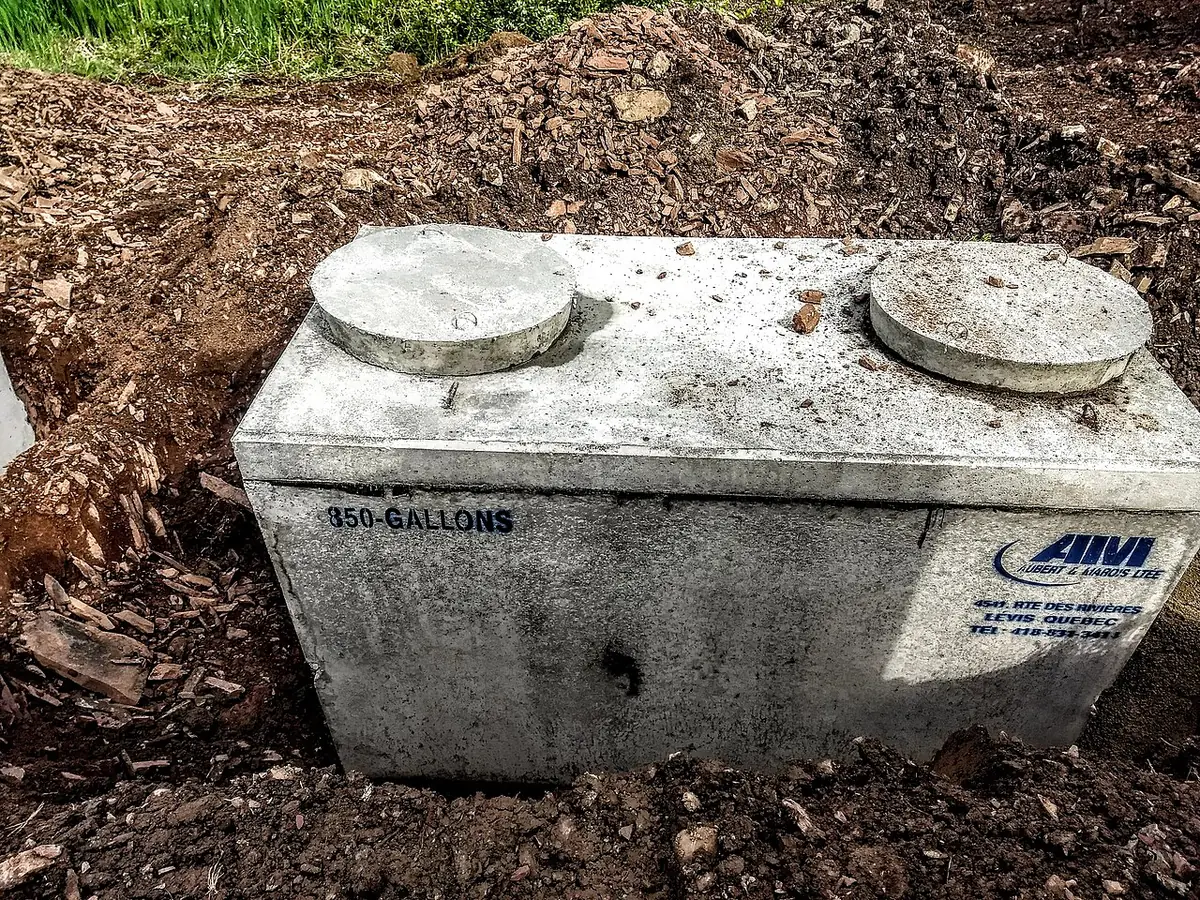
A holding tank stores wastewater for removal. Plan around real usage and available capacity, not septic-tank pumping intervals.
A holding tank needs pumping before wastewater uses up its safe storage capacity. The interval depends on actual wastewater generation, usable tank storage, the alarm setting and the property's operating instructions—not a universal weekly, monthly or three-year rule. A regularly occupied home may need much more frequent removal than a lightly used seasonal cabin. Use service records and water-use information to establish a conservative schedule, and respond promptly to a high-level alarm.
A holding tank is not a septic tank with a drainfield
A holding tank is designed to store wastewater until it is removed. A septic tank normally separates solids and passes liquid onward to a soil treatment system. A pump tank temporarily stores effluent before moving it to another treatment component. Confusing these functions can lead to a dangerous scheduling mistake: a holding tank does not gain space through normal discharge to soil. Confirm the approved system type from the permit or management plan rather than from the shape of a visible lid.
Plan from usable storage, not nameplate capacity alone
The whole tank volume is not necessarily available between service visits. Residual contents, alarm level and the need for a safe reserve affect usable storage. A planning estimate divides available storage before the service threshold by average daily wastewater entering the tank, but that estimate is not a guarantee. Guests, laundry and leaking fixtures can change inflow abruptly. A qualified provider should help interpret the tank's records and warning system instead of relying on an assumed gallons-per-person figure.
What Minnesota says about access and alarms
Minnesota Rule 7080.2290 requires holding tanks to be readily accessible to the pump truck under all weather conditions. It also requires an alarm to minimize accidental sewage overflow unless regularly scheduled pumping is used; an alarm must identify 75-percent capacity. Your local requirements or permit may add conditions. The nominal remaining quarter is not an invitation to keep using water normally or a promise of a fixed number of hours before trouble.
What should I do when the alarm sounds?
Restrict water use and call your service provider with the alarm information, last pumping date and any change in occupancy. If sewage is backing up or appearing outside, stop using the system and request urgent help. Do not disable the control system, reset a warning repeatedly or remove a cover to measure the level. Never enter a tank or allow wastewater to discharge to a ditch, yard or drainfield as an improvised way to gain storage.
Build a schedule from evidence
Keep dates and quantities from actual pumping records, note occupancy and track unusual water use. Ask whether a meter reading or other documented use can refine the schedule. If visits are consistently close to an alarm, discuss a more conservative interval. Unexpectedly short intervals may justify checking leaking toilets, infiltration or other avoidable inflow. Unexpectedly long intervals are not proof of efficiency; a watertightness or record problem may need investigation rather than assuming the tank cannot be filling.
Seasonal and winter use need advance planning
A cabin reopening, holiday guests or a change to full-time use can invalidate last season's interval. In Minnesota winter, arrange safe driveway access and identify the service point without driving over buried components. Follow the system's instructions for secure and protected access. If a septic system is temporarily being managed as a holding tank because of a freeze, have a professional establish that plan; do not assume a conventional septic system can be converted into a permanent holding tank without approval.
Request recurring service without a guessed interval
Contact Minnesota Sewer Pros at 612-816-8013 to discuss the tank type, capacity records, alarm and actual usage. We provide Complete Septic Service in our approved western Twin Cities and surrounding service area. A requested appointment or recurring plan should be confirmed with the office, not treated as automatic dispatch. If a high-water alarm is active now, say so when asking for 24/7 Emergency Septic Service.