Do Septic Additives Replace Regular Pumping?
By Minnesota Sewer Pros · Prepared for Owner review
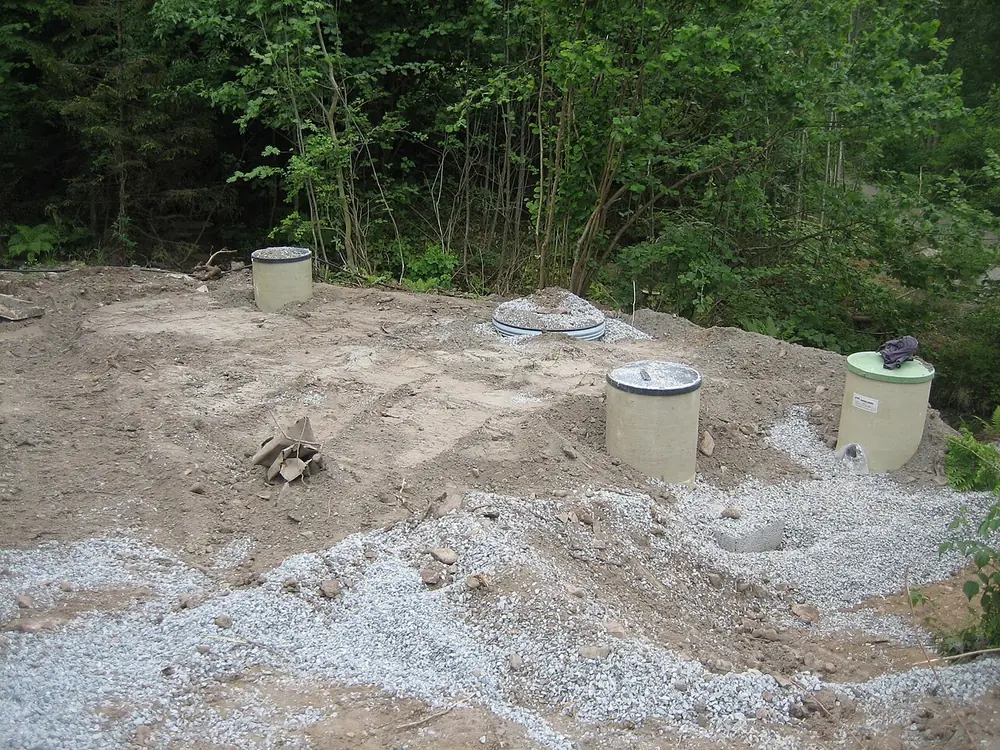
An additive cannot turn accumulated sludge into a substitute for documented maintenance and proper solids removal.
No. Septic additives do not replace regular maintenance or removal of accumulated solids. Minnesota Rule 7080.2450 explicitly says additives must not be used to reduce the frequency of proper maintenance and sewage-solids removal, and their use does not fulfill that requirement or a management plan. EPA also does not recommend additives for domestic wastewater treatment. If a system smells, drains slowly or sounds an alarm, investigate the cause instead of treating a bottle as a repair.
What the bacteria in a septic tank actually do
A septic tank contains naturally occurring microorganisms that break down some waste. It also separates material into settling sludge, floating scum and liquid that continues to treatment. Not everything entering the tank can disappear through bacterial activity. Nondegradable solids and accumulated material still need removal. Marketing that promises to eliminate pumping confuses partial biological breakdown with complete maintenance. A healthy-looking lawn or a lack of odor does not demonstrate that accumulated solids have been removed safely.
Minnesota's rule is specific about additives
Subpart 5 of Rule 7080.2450 prohibits relying on additives to reduce required maintenance and solids removal, and says additives containing hazardous materials must not be used in an individual sewage treatment system. This is separate from the rule's at-least-three-year assessment and its actual solids removal criteria. Do not interpret the assessment interval as permission to postpone needed pumping by adding a product. Your local requirements, management plan and treatment-unit manufacturer instructions also need to be considered.
Why chemical products can make diagnosis harder
An additive cannot repair a failed float, restore a damaged baffle, clear every blocked line or make saturated soil accept water. EPA warns that additives can be ineffective and may harm system operation or the environment; it does not endorse individual products. Strong cleaners, solvents and other inappropriate chemicals should not be poured into the system as troubleshooting. Tell the service provider what product was used if symptoms develop, and retain the label rather than combining more products in an effort to reverse the effect.
What about enzymes after a pump-out?
Routine domestic wastewater already brings microorganisms into the system, so a normal pump-out is not a reason to assume a commercial bacterial treatment is necessary. Follow any specific instructions for an advanced treatment unit with the responsible service provider; that is different from a general claim that additives let you skip solids removal. Ask what evidence supports a recommendation and which component it addresses. Do not buy a maintenance substitute solely because it is presented as a way to seed the tank.
What habits actually help?
Use water efficiently, repair leaking fixtures and spread laundry loads rather than sending a large surge at once. Flush human waste and toilet paper, not wipes, grease, diapers or household chemicals. Keep vehicles and structures off the soil treatment area and preserve secure access for maintenance. Keep records of assessments, pumping and any repair recommendations. Those habits support normal treatment, but they are not a guarantee against every mechanical or site-related problem.
What if I have been using additives instead of pumping?
Give the maintainer your best actual service history and the names of products used. If the history is uncertain, say so and arrange an assessment rather than inventing a recent pumping date. A professional can evaluate accessible components and determine whether solids removal or another service is needed. Do not open a tank to inspect the contents yourself. Backups, surfacing sewage or an active alarm should be discussed promptly, regardless of how recently an additive was applied.
Choose maintenance over a promise in a bottle
For homeowners in Mayer, Waconia, Chaska and our other actual service communities, Minnesota Sewer Pros can discuss a documented maintenance plan at 612-816-8013. Request septic assessment or pumping through the existing contact form. If the system is already backing up, stop water use and request emergency help instead of waiting for a product to work. No additive, service visit or generic calendar interval can guarantee that an entire septic system will never need repair.